
In Buddhist teachings, samsara names the cycle of suffering born from disconnection and forgetting our true relationship with one another and the Earth.
The samsara we are living in is not beneath the ground. It is above the Earth.
It lives in broken relationships between people, between nations, and the living world that sustains us. It shows itself in relentless consumption, extraction, and forgetting that our lives are woven into the land and into each other.
In Buddhist teachings, samsara names the ongoing cycle of suffering born from ignorance and grasping. It is a conditioned state, arising through fear, craving, and forgetting. When greed, aversion, and confusion guide our actions, suffering follows as naturally as a shadow follows the body.
Seasons change. Conditions shift. When we push against what is here and force growth instead of rest, suffering follows.
This moment comes from forgetting. Forgetting that the Earth is a relative. Forgetting how to listen. Forgetting the rhythm of the season and our place in it. When we take without consent and move without regard, balance unravels. What we experience as harm often grows from forgetting our relationship with one another and the living world.
What we are witnessing now is ecological harm, violence, division, and exhaustion from forgetting our place within the web of life. And still, the Earth has not turned away from us.
Even now, life continues beneath all around us. Roots and seeds from the forest grow. Water moves quietly under ice. The land remembers balance.
Even in a world shaped by suffering, the seasons continue to teach us how to endure.
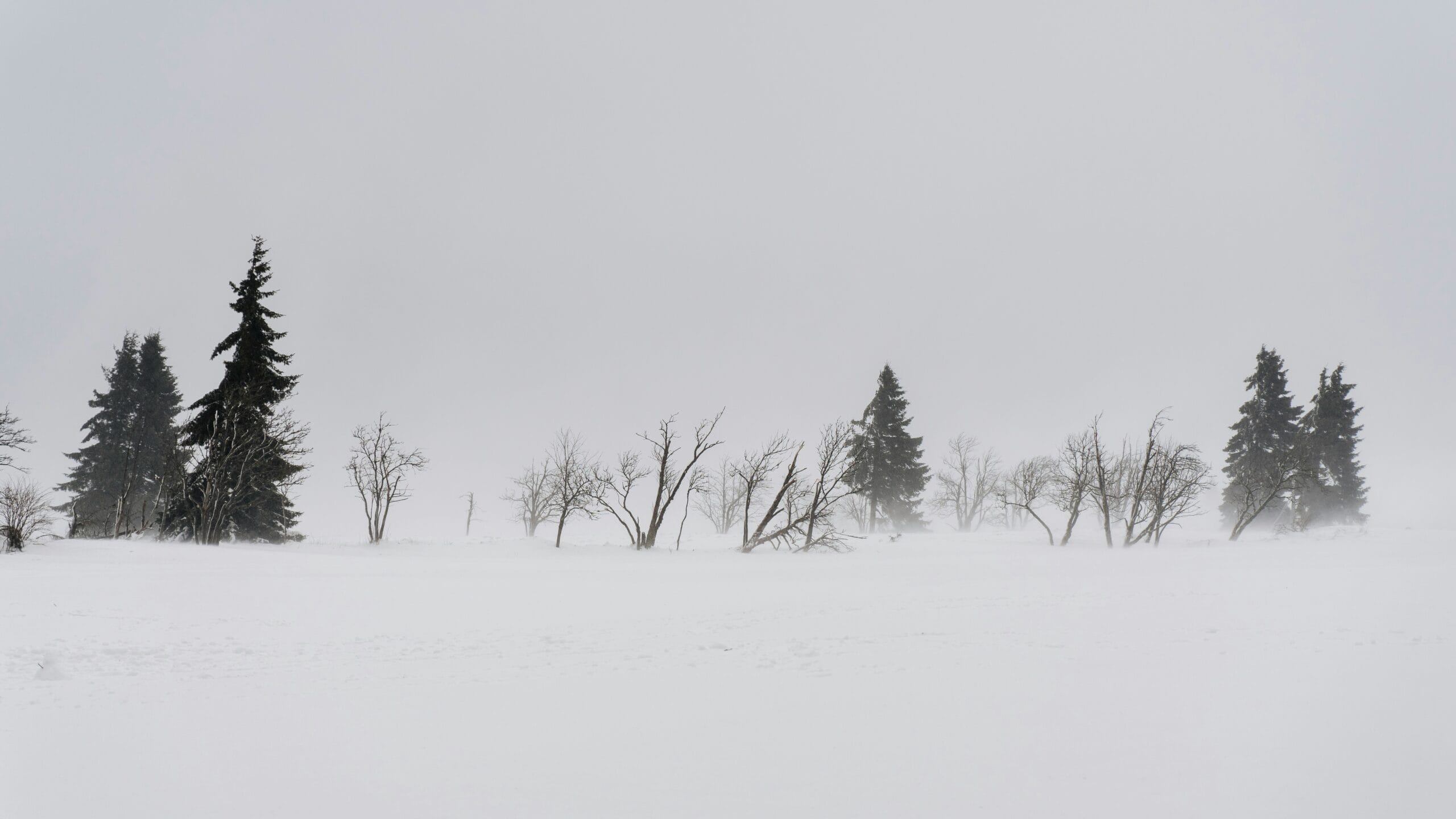
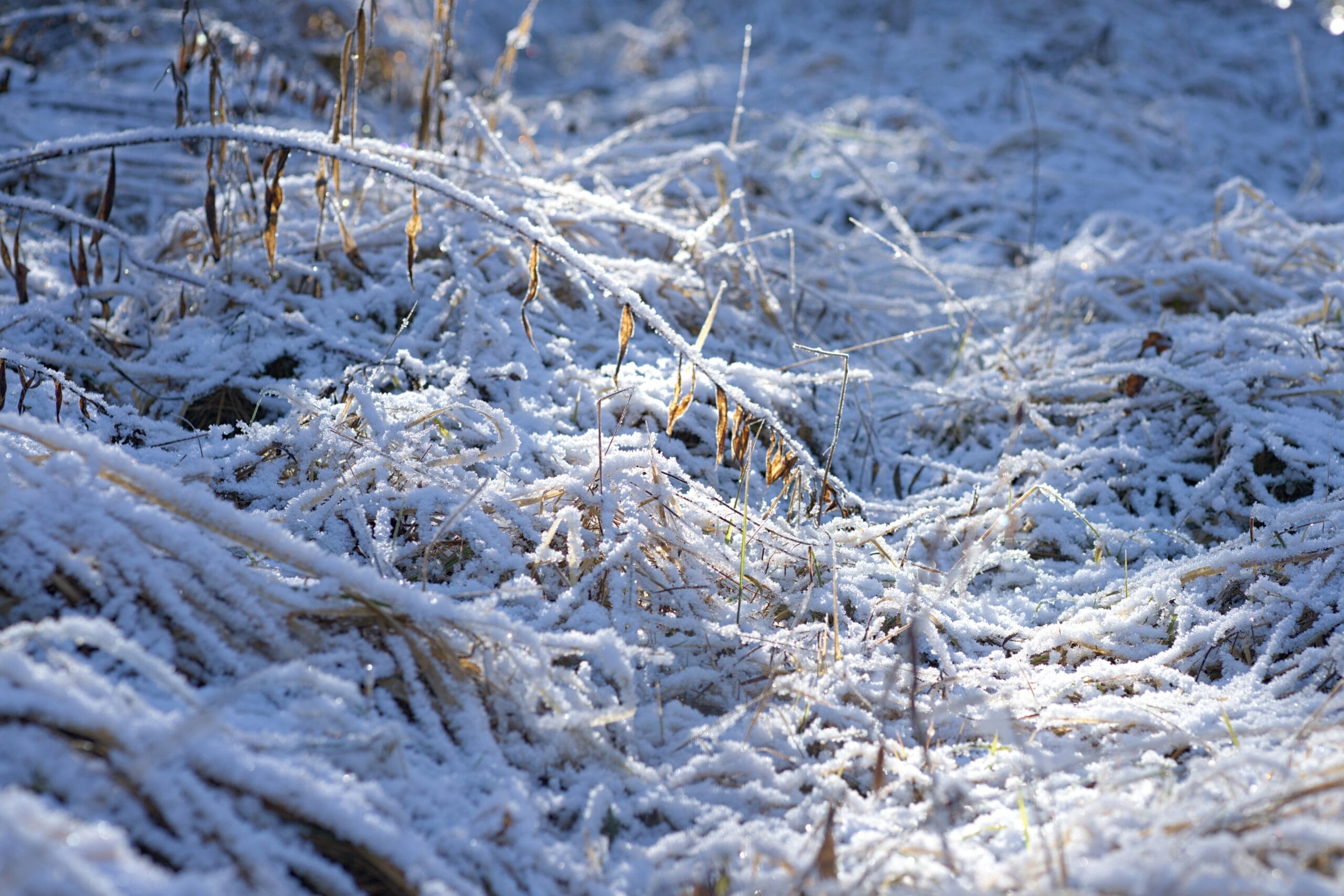
Winter makes this teaching visible. On the surface, winter can look barren. Trees stand bare. Fields lie still. Cold settles in. It can feel as if life has paused. But the land tells a different story.
Beneath frozen ground, roots grow stronger. Seeds soften and prepare. The soil breathes slowly. What appears empty above is alive with quiet work. The trees show us how to do this. They release what they cannot carry and draw their energy inward, protecting what matters most. The bears know this too. They rest deeply, trusting the Earth to hold them through the season. Even the rivers continue. Ice may form on the surface, but the water beneath keeps moving steady, slowly, towards a direction.
The Buddha taught impermanence not to bring despair, but to free us. Impermanence is taught as a path towards liberation. Seasons change. Conditions shift. When we push against what is here and force growth instead of rest, suffering follows.
Winter invites the practice of renunciation. Less striving. Less consumption. More listening. More presence. More care.
In Buddhist practice, stillness is not wasted time. It is where clarity deepens. When inner noise quiets, we begin to hear what lives beneath our habits… our fears, our resilience, and our capacity for compassion.
Indigenous traditions hold winter as a time for the old stories, crackling of fire, and the remembrance of our ancestors. A season lies beneath the Earth and the invitation of stillness touches and purifies our boundless heart. Together, these teachings offer guidance for living within samsara without being consumed by it:
Not every response requires action.
Some require steadiness.
Some require patience.
Some require remembering our belonging.
Winter is not the absence of life.
It is life gathering itself in the company of a quiet awakening.
May we learn to trust what is happening beneath the surface.
May we move more slowly, listen more deeply, and act with care.
May our remembering restore balance to the land, to our communities, and to our own loving hearts.
This article was originally published in Braided Wisdom‘s winter newsletter. It is reprinted here with permission.