What Now?

A Relational Approach to Building Solidarity

Note:
This EcoDharma Exploration topic was reframed to meet the current moment.

 Zhiwa Woodbury led this EcoDharma Exploration on November 10, 2024. A recording is available below. We welcome your support for this program.

This session also marked the opening of the 2024-25 season of One Earth Sangha’s flagship program, the EcoSattva Training. This online course is revised every year to stay attuned to our rapidly changing situation and to integrate new findings and fresh perspectives. Zhiwa’s thinking has influenced this most recent update so we were delighted to host him for this kick-off event.

Green-leafed tree on body of water under starry sky.
Photo by nate rayfield on Unsplash

Amid the rise of authoritarian power and the prospect for unhindered extraction, many of us who feel the call to protect are feeling shaken and unsure. Yet, as aspiring Ecosattvas, it has never been more critical to embody the Buddha’s teachings in all our relations. In times of great suffering, extreme change, impermanence and uncertainty, we can build a new solidarity by relying on our strongest allies: Gaia, this living planet we are integrally connected with; and, the Dharma perspective embodied in bodhisattva ethics.


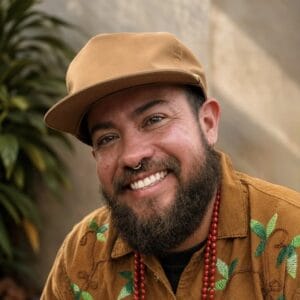
Zhiwa Woodbury is a panpsychologist (panpsychism-informed psychology), visionary and long time advocate for all things natural and wild. He studied Thermodynamics, Science/Math and Communications at Southern Illinois University before obtaining a doctorate in Natural Law (1983). After a successful career advocating for wildlife and wild places, he returned to school and obtained an M.A. in East/West Psychology, with an emphasis on quantum eco-psychology and spiritual counseling, and also trained and served at world-renowned Zen Hospice in San Francisco. Zhiwa is a vajrayana practitioner who follows Hua-Yen philosophy and practices Kalacakra tantrayana. He is the author of Climate Sense ~ Changing the Way We Think & Feel About Our Climate in Crisis, and two influential lead articles in the peer reviewed journal Ecopsychology: “Climate Crisis & the Cosmic Bomb: Is the American Dream an Expression of Cultural Trauma” (Dec. 2015) and “Climate Trauma: Towards a New Taxonomy of Trauma” (March 2019).

     Pieces on One Earth Sangha

This program is donation-based, with no required registration fee. We welcome your contributions to support this program and the work of One Earth Sangha.

Support this Offering

One Earth Sangha and our featured speakers offer these explorations on a donation basis, with no required registration fee. We invite you to participate in the tradition of offering dana, or generosity. Your support makes these gatherings possible, and any amount offered is greatly appreciated.

Another way to support us is to share what this exploration has meant to you in a way that we can use in our materials. We invite you to share a “testimonial” here! (select “EcoDharma Exploration Participant” from the dropdown menu.)

Recording

Additional Resources

  • An overview of Zhiwa’s academic writing and published work
  • Learn more about Zhiwa’s books
  • Subscribe to Zhiwa’s blog and stay up to date on his personal writing and musings

More EcoDharma Explorations

Upcoming

Turning Toward the Darkness Without Bypass or Collapse

Jess Serrante will share what she's learned in her years of friendship with Joanna Macy and her own experience carrying this lineage forward. Come ready to be tender with yourself and each other. We won't leave with answers — but hopefully with a little more room to carry what's true, together.

Past

Social Transformation Begins Right Here

What can open up for the beleaguered heart and mind when we slow all the way down and just breathe? What does this body already know about the magnificent compassion of this Earth, even as we might struggle to receive it?

Past

Meeting the Paradox of Inaction with Compassion

What if we better understood each other? We have a responsibility to investigate our own perceptions about how others are feeling the challenge of existential crises. What possibilities might such understanding open up for us all?