
As we approach that liminal space between the Gregorian New Year and the approaching Tibetan New Year, with all the associated festivals and ritual around both milestones, I find myself reflecting on the year of the Wood Snake and what learnings may have emerged. It feels (at least for me) like the bedrock has shifted, allowing clearer sight of our predicament, our entanglements, and hence giving insight into what really matters when considering how best we might navigate the present moment towards an uncertain future. Two particular works I encountered recently have offered a helpful lens to work through this process.
How to Fall in Love with the Future is the new book by Transition Towns co-founder Rob Hopkins. Hopkins challenges us to take a time machine to 2030 and actively imagine what we might find in the future we aspire to have. This gives us a tangible vision to work towards, and the opportunity to map back what actions are necessary today in order to realise this better future. The book is filled with inspirational stories and offers hopeful human scale possibilities to build kind, healthier, less impactful, human societies – something it is easy for us to find common cause with.
No more pretending. Nowhere to run. This is the world I inhabit, and that world is embodied in me…
We even took this idea as a thought provoker when exploring what Shambhala Touching the Earth Collective might look like in 2030. I’ll be honest and admit I found it very difficult to envisage the future I would aspire to without letting the knowledge and long term implications of our present reality crash into my utopia like an extreme weather event made worse by climate change.
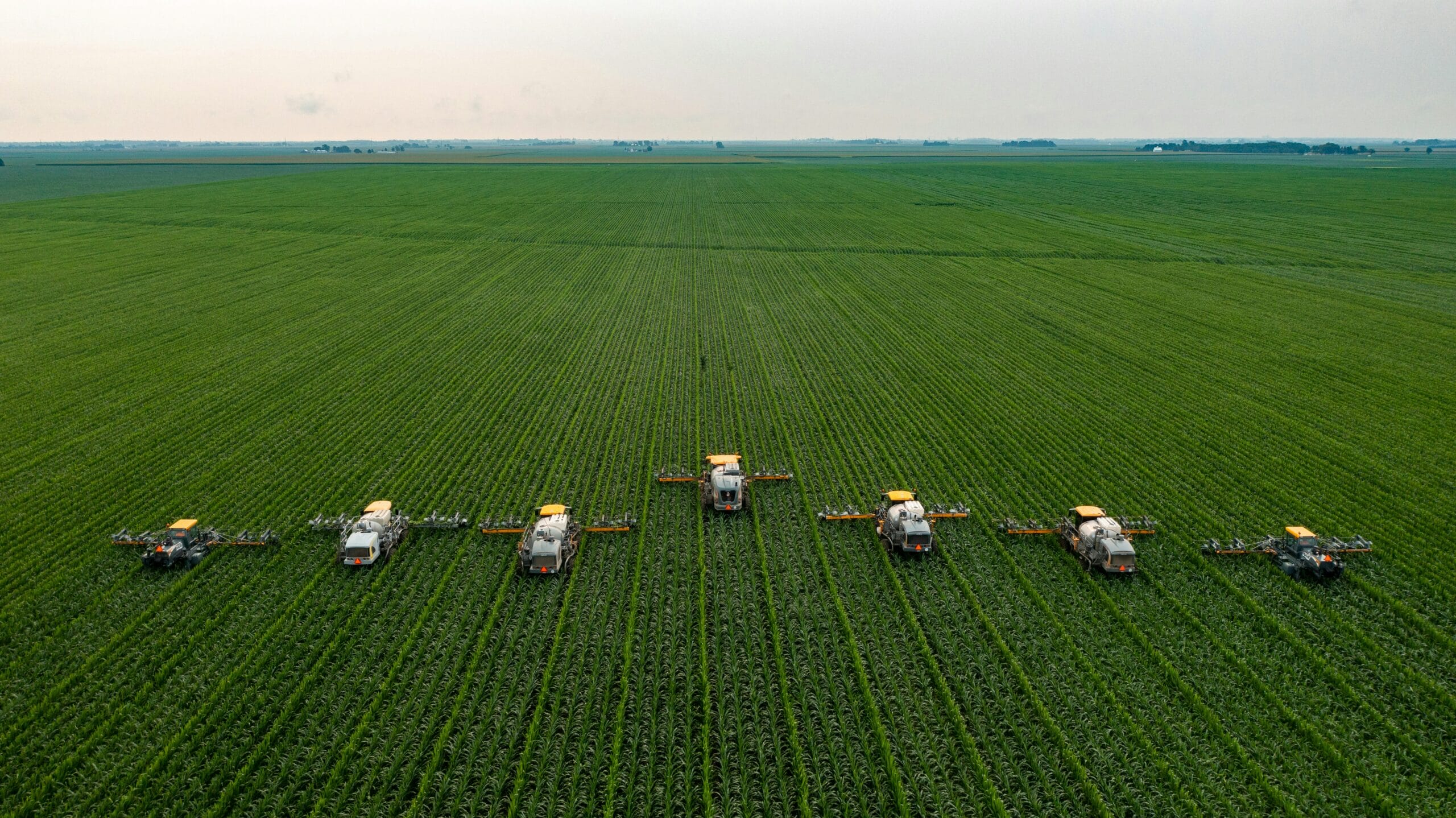
Then by chance (and in stark contrast), I came across the recent documentary Greenwashed. The title suggested to me that it would tell some of the now familiar stories of how product marketing and corporate reporting so often masks environmental impacts through selective facts and obscuration. The documentary proved to be so much more than that. The film systematically challenges the myths of a sustainable energy transition, the possibility of some circular, recycled way out of the plastic pollution apocalypse, the idea that replacing our fossil fuel powered vehicle fleet with EVs is in any way possible without catastrophic ecological damage. The realities in every case show how we are deluding ourselves. Big time. The documentary doesn’t say it (and draws its own conclusions), but for me there is an undeniable truth that jumps forth; the problem is not fossil fuels, or plastics, etc. per se – the problem is industrial civilisation.
The documentary hit hard and made me think. The sheer scale of what we are living through is almost unfathomable; it’s no wonder a sense of overwhelm is so common in these times. I have always maintained a healthy scepticism of purported technological solutions to our planetary emergency. In many ways it should be glaringly obvious to us by now that doubling down on using the very technologies and ontologies that have decimated the planet could never offer the answers we hoped for. Just even more extraction, devastation, degradation, loss of life. There really is no easy way out.
So we are all here in this present moment, together. As ever, our bodies inseparable from the world we live in. We all now carry the consequences of our industrial civilisation within us. Not only are we home to the plethora of bacteria that allow our bodies to function, but also microplastics. Our babies and breast milk now contain added forever chemicals, as do we. Societal karma is writ very large. Nobody should really be surprised.
When we think of the interconnectedness of all things, we tend to reach for images of the boreal forest, wild landscapes, the deep ocean, our non-human kin. But do we include the toxic tailings lakes from mineral extraction, the ever proliferating copper and lithium mines, the ecosystems destroyed by tar sands, the strangely beautiful colours of a chemical spill in the veins of our rivers? Perhaps by crossing this rubicon we might start to metabolise the actual reality of the phenomenal world we all now live in.
There is a liberation of sorts in this recognition. This is our reality the world over. No more pretending. Nowhere to run. This is the world I inhabit, and that world is embodied in me, whether I like it or not. There’s something to work with here. The othering is over. Now let’s work out where we go from here. Maybe I should attempt that future envisaging again now. Lean in, blinkers off, never turn away.
How to Fall in Love with the Future by Rob Hopkins is available from all good bookstores, and probably extractive corporate monoliths too. Greenwashed is available to stream on YouTube. The essay title is borrowed from the book by Ursula K Le Guin.
This article was originally published in the January 2026 newsletter of the Touching the Earth Collective. It is reprinted here with permission.