BCD offers a monthly gathering for those who want to engage in mindful reflection and find practical ways to be more involved in making change happen. We get together on the third Wednesday of every month.
Whether you find yourself avoiding the news altogether or unable to look away, this offering will help you build a more sustainable, compassionate way of engaging with the world—one that honors both your wellbeing and your capacity to stay awake to what matters.
Practical Peacekeeping in the November 3rd Election Environment
October 22, 2026
Buddhist Coalition for Democracy
Online
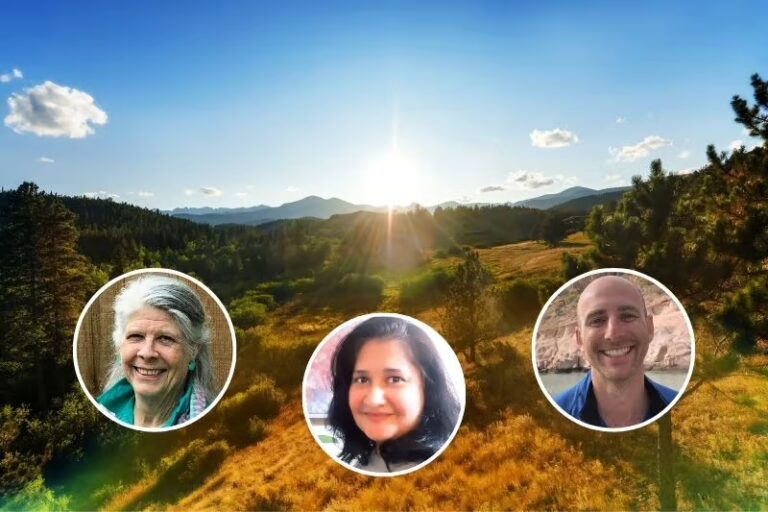
Prominent trainer Michael Lazrus will offer a concise training for working with themselves and others when faced with potentially confrontational public situations. This online event is offered in preparation for the midterm elections.
This contemplative online circle explores the relationship between language, nature, and shared human experience. Facilitated by author, poet, and ecopsychologist Lorena Saavedra Smith, the group will engage poetry as a practice of mindful witnessing, listening to the ways Earth, body, and society inform one another. Sessions include a short meditation, a selected poem connected to a monthly theme, and sharing of original theme-inspired writings or reflections. No prior writing experience necessary.
Natural Dharma Fellowship and Mindful Living Revolution
Online
Hosted by Lama Willa and Deborah Eden Tull, these gatherings invite us to experience Dharma not as fixed doctrine, but as a living, relational field—one that emerges spontaneously through authentic dialogue and shared presence. Guests for this series include Kazu Haga, Susie Harrington, Kritee Kanko, Adam Lobel, Thanissara, and Karen Waconda-Lewis, with additional guests to be announced. You only need to register once to access the full year of monthly Dharma Dialogues and you may join at any point during the series.
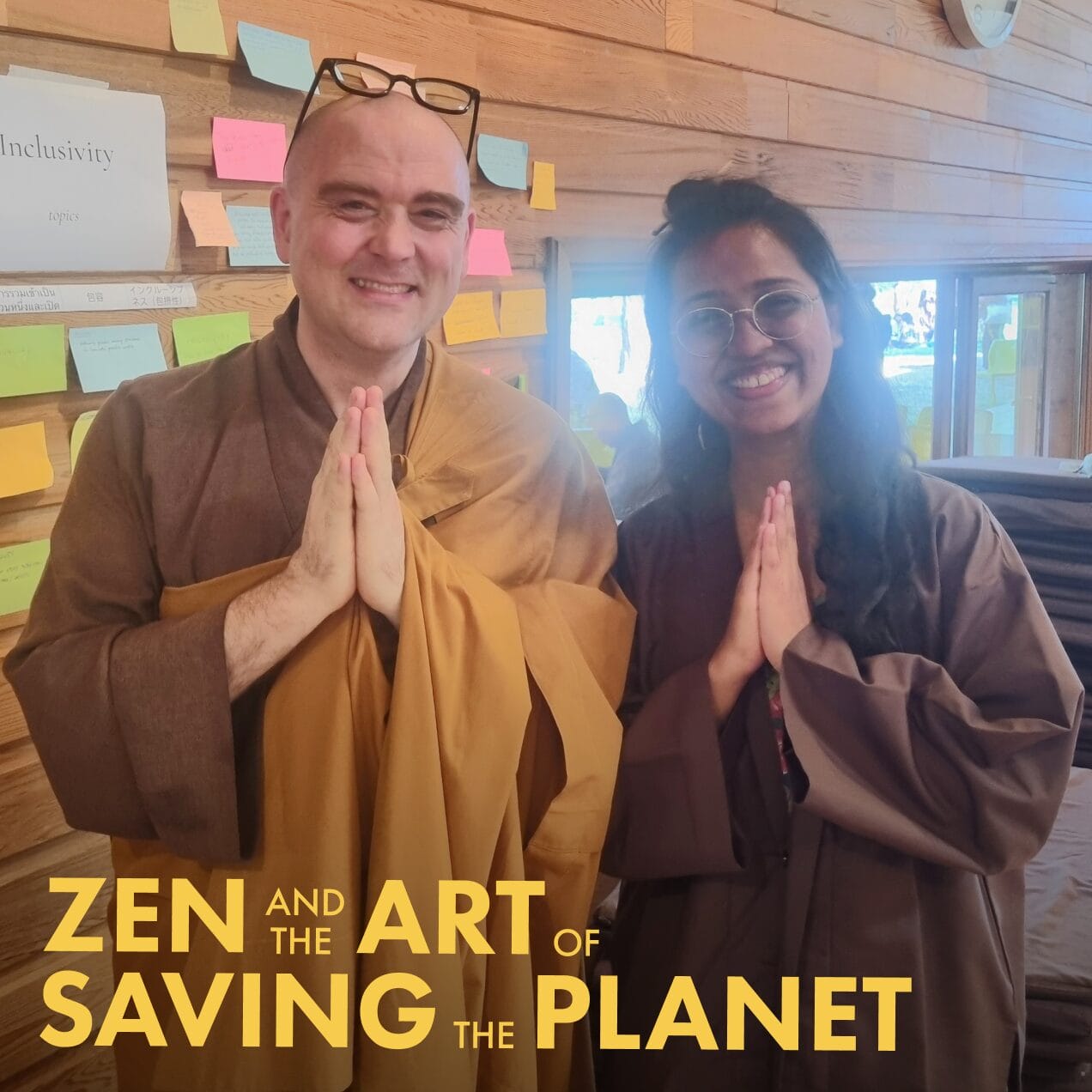
Using the Work That Reconnects practices, meditation, time in nature, movement, art and ritual we will explore how we can navigate this evolutionary time on planet earth without tuning out or burning out. Led by Constance Washburn, Rukmini Iyer and Alex Julie.
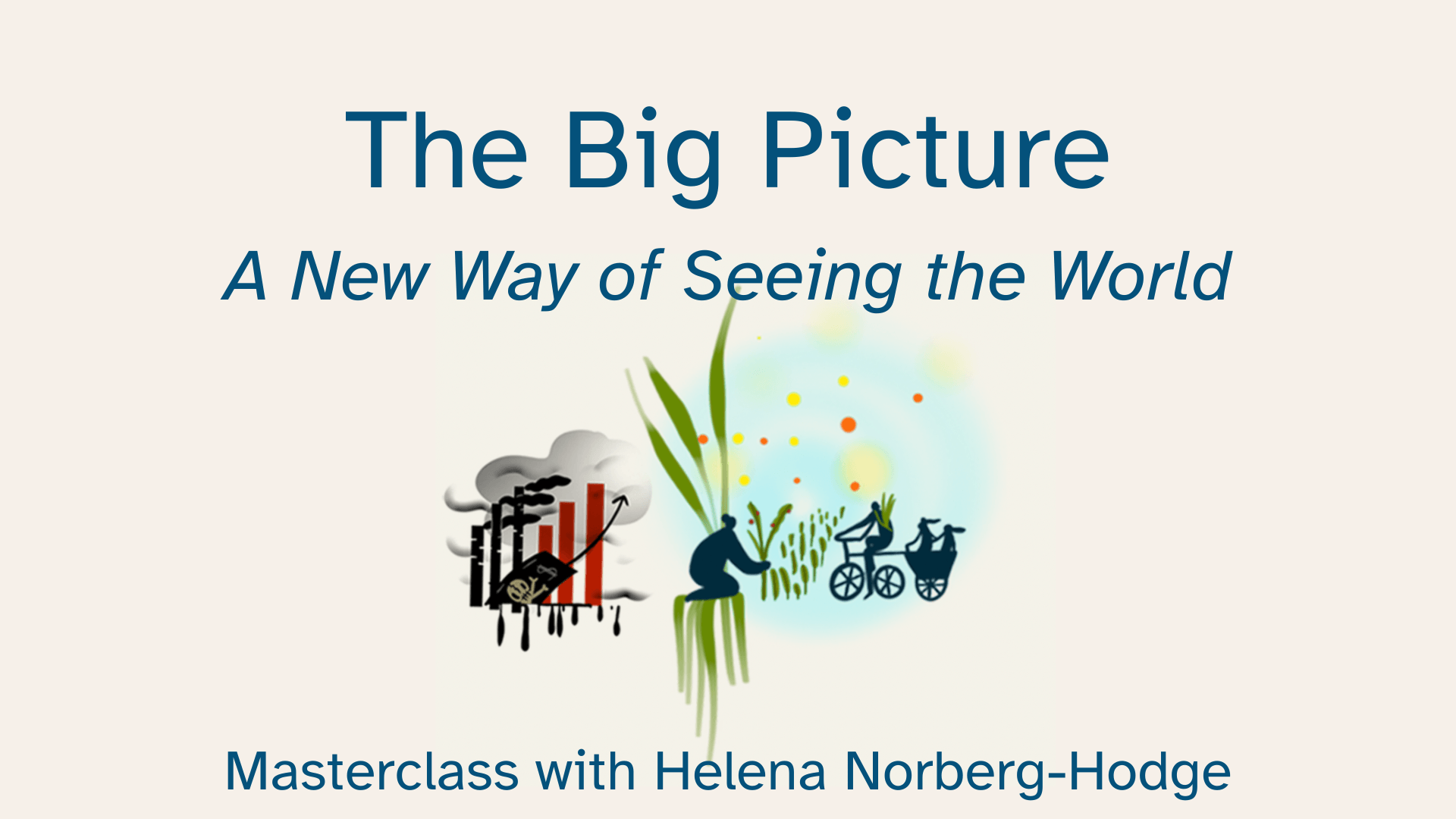
Helena Norberg-Hodge examines how the scale, speed and distance of the modern economy have broken our relationships with community, nature, place and one another. She asks what it would take to move from a path of disconnection to reconnection, ultimately recovering our deep interdependence with the rest of life. This is an invitation to see more clearly, understand more deeply, recover our spiritual roots, and discover new possibilities for action. Exploring localization offers a practical pathway towards both inner and outer systemic change.
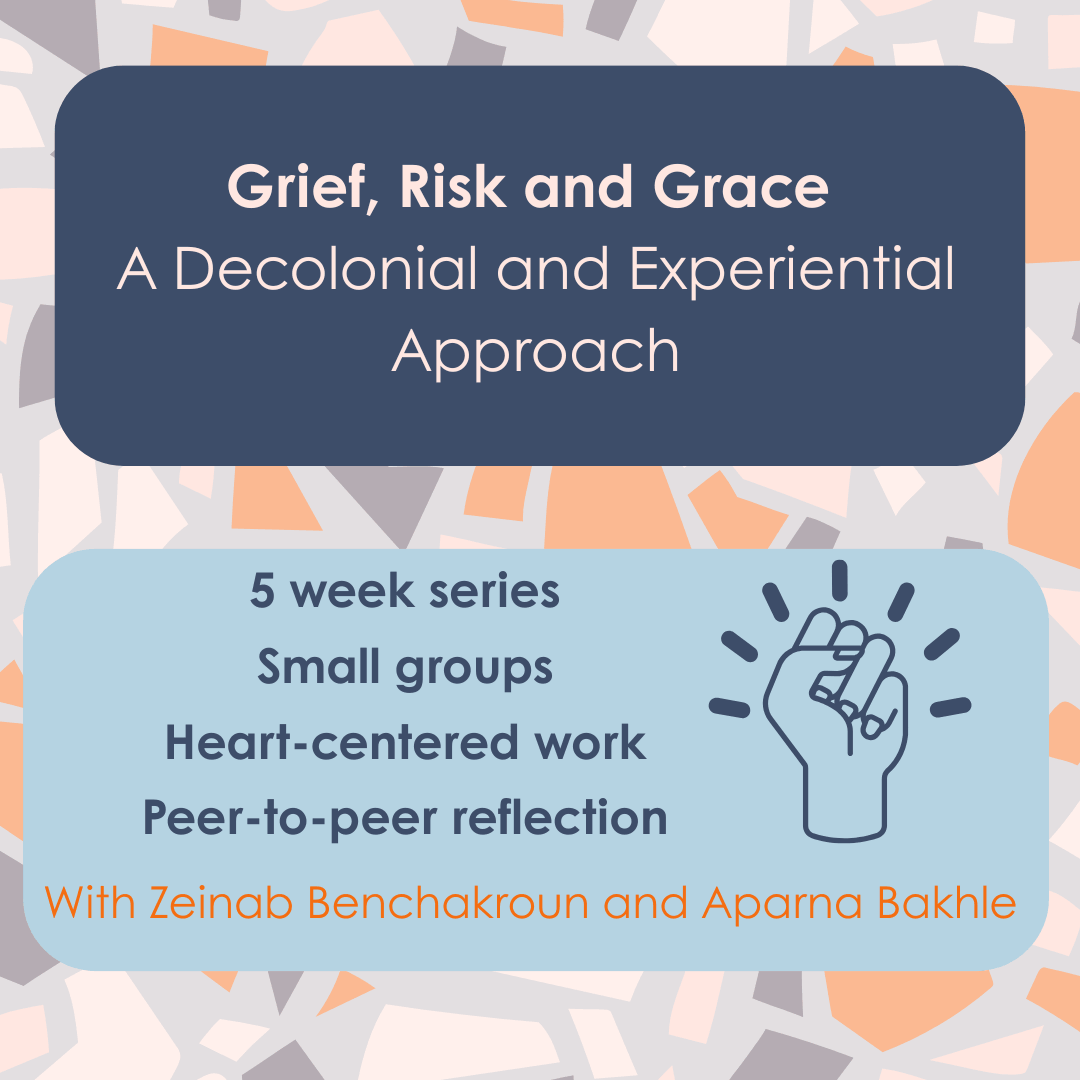
While it may have been hiding under “rule of law” or “free market”, colonialism and supremacy function as the scaffolding of the industrial capitalist world. This series is an invitation to decolonize our mind, body, and heart. We will deepen our conscious and unconscious awareness of the systemic patterns of power. We will be working on how to avoid replicating tools of the dominant system, moving away from performative action and care, and centering underrepresented voices.
In this five-week study series, we’ll explore the hypothesis that the monastic Saṅgha functions—in ancient India and today—as an active social intervention: offering genuine mobility and liberation to people otherwise locked into their conditions by birth. And we’ll turn that lens on our own communities: How do wealth, race, education, and class shape who gets to practice and lead today? How can we make this Dhamma we love more effective as a response to systemic oppression?
We use cookies to ensure that we give you the best experience on our website. If you continue to use this site we will assume that you are happy with it.