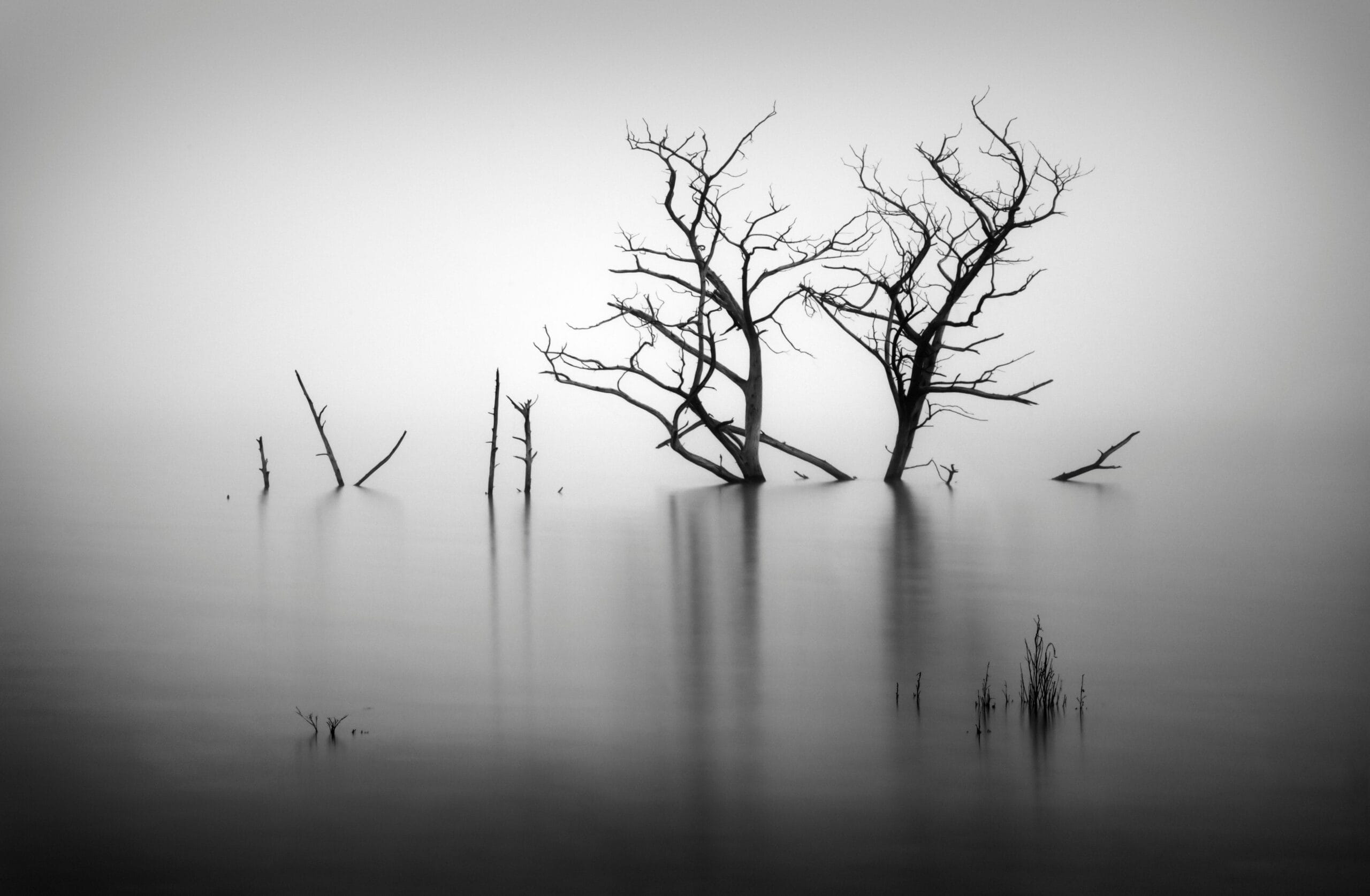
Okay, so welcome back. I hope you enjoyed meeting forests and oceans and skies and rivers and tropical fish and whatever you identify with. It could be a whole workshop in itself. You might not attend it, but it could be a workshop in itself. I just had some feedback about the practice, one of which was, if it’s okay that I share it, about that they had a lot of resistance to it and some reactivity because they didn’t want to feel the rising plastic in the body of their ocean. Because why would we? Or why would we want to experience ourself as a forest that’s burning or drying or both? Why would we want to feel ourselves as our bones are being bleached? But that’s kind of what we’re living in.
I was just chatting, I’ve been teaching all weekend different things and I was teaching on, I was giving a nature talk on Sunday to Sangha Live, which is an organization based in Europe. And my friend, my dear friend Chris was there and she’d just come back from Southeast Asia, Thailand and other places, Borneo. And I kind of was excited to speak to her because I thought she would have all these wonderful things to share. She did have some lovely things to share, but she was also heartbroken because sometimes when you travel and you get out of the cocoon of whatever cocoon you’re in, we live in a bit of a cocoon here, she said she took a plane ride. She wanted to go see the orangutans in Borneo, one of the few remaining places that they survive. Beautiful, beautiful animals.
And she took a plane ride, it was two hours north. It was a small plane, it’s a low flying plane. And so for two hours, she flew over palm oil plantations the entire two hours. And she was heartbroken. And then she went to visit the orangutans who are in this tiny little preserved forest that’s left, partly to preserve their habitat. And she got to see what the rainforest was like, what the tropical jungle was like before the palm oil plantations. And she was heartbroken.
This is if you go to any place where you see the impact and you can see it everywhere really, but sometimes it’s a more sharp contrast. But that’s the reality we live in. When you buy your margarine, guess where it comes from? We don’t see it. We live in this profoundly interconnected world, but mostly it’s sort of out of sight.
And when she was talking, it just really brought it home. In the kind of world that we live in, for the most part, we’re not seeing the impact of our lifestyle, the impact of our actions. Not ours personally, but we’re part of this web, this consumptive materialist economy that is ransacking the Earth. And it’s heartbreaking. Heartbreaking.
What does our practice of mindfulness, of meditation, of compassion, of wisdom, have to bring to bear to these global and massive realities, but also to our very intimate day-to-day reality?
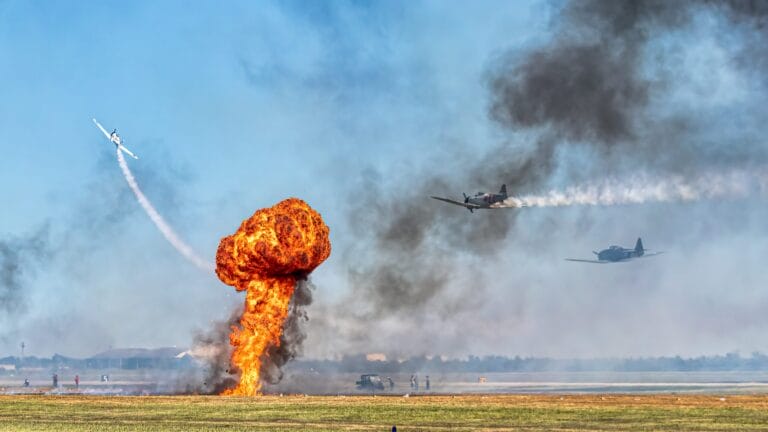
And now we have an administration that doesn’t believe in climate change. We’re back to 2016 where the word climate change is being scrubbed from every government website. Any reference to global warming and to the negative impact of fossil fuels is being erased from every website. And you can get fired for speaking about climate change or ecological crisis or fossil fuel impacts. And so we’re living in this very bizarre time where the world is burning. The fires in LA are a great example of the impact of climate change. And then this bizarre denial.
So I want to speak to this tonight. And so I gave myself the whole day to think about this topic and to prepare a talk. And I don’t usually give myself a whole day. I might give myself an hour or something. And so I wrote out a talk and I said, “I can’t give that talk. I just can’t give that talk.” And so I worked on another talk, which I have in front of me. And I was chatting with some colleagues of mine. I was like, “I don’t know if I can give that talk either.” In the biz, we call it Dharma Talk Dukkha. Dharma Talk Dukkha, where there’s just this particular kind of Dukkha. Maybe for anybody who does public presentations, it’s maybe a similar thing where you might be an expert in the field, but you’re kind of working on it. Maybe I was going to do a whole slideshow today and that didn’t happen either. And it’s just like you’re just kind of in the mess of it. And usually it sort of resolves itself. And then you come to the class and it’s all fine. And then today I didn’t resolve itself.
And I’m going to be candid and I’m going to just speak from the heart here today. And not that I don’t usually, but I. So I was writing and I was working on the second talk. And it was a talk that was sort of an iteration of something that I’d written. I could see echoes of the talk and things that I was pointing to from 2016, 2017. And I was like, “Oh, we’re back here doing this again.” And maybe it was later, but anyhow, there were echoes from different times in the last eight years. And I started to feel really depleted and hopeless. And because I was pointing to things that were happening five, 10 years ago that showed seeds and signs of hope and optimism.
There’s a movement in corporations to be more sustainable and commit more resources to that and to be more green, greenwashing or not, and to defund. There’s this massive, I forget the word, what it’s called when you not defund, deinvest, deinvesting in the fossil fuel industry. It’s 40 trillion. 40 trillion or billion. A lot of dollars were being pulled out of investment into fossil fuels. And then we see in this administration and what’s happening around it where a lot of those promises are being walked back on. And of course they were always just promises because mostly they weren’t actually enacted anyway. But at least there was a momentum of, “Oh, we’re taking this climate crisis seriously.” We had the Paris Accord. We had all kinds of things.
And as I was working and reflecting, it’s like, oh. And so much of that is actually just castles in the sky. And it’s not easy to let that in. And things are only getting worse. The climate crisis, that’s just the nature of it, snowballing, tipping points, et cetera. Not going away, but it’s not just not going away. It’s getting worse and it’s having more impact. So not easy to be with. Not easy to let in.
And so as I mentioned at the beginning of this class, this talk is about EcoDharma, right? The interface of Dharma and deep ecology. And how does the Dharma, how does this practice of wisdom and awakening, what does that have to bear to this seemingly, well, not seemingly, this immense issue that is the issue of our times and it will be the issue of our children’s times and it’ll be the issue of our grandchildren’s times.
And that’s a great question. What does our practice of mindfulness, of meditation, of compassion, of wisdom, what does that have to bring to bear to these both global and massive realities, but also a very intimate day-to-day reality?
I was just out in Point Reyes talking to a realtor who was talking about how hard it is now to get insurance, to get house insurance. And I’m sure, probably many of you are like, “Yeah, we got ours canceled or we can’t renew and we have to go through Cal, whatever it is to get fire insurance.” If you want to know who’s the most informed about what’s happening in the macro sphere, whether it’s climate or economy, it’s not environmentalists. It’s the insurance industry and it’s the military. The military have far sightedness to what’s coming down the pipe with climate migration and the ecological instability that’s happening, going to be happening. And the insurance company, you bet they know what’s coming down the pipe. That’s why they’re pulling out of California and pulling out of all kinds of places.
And here we are. And here we are. And I wish it was still daylight because I was going to say, and it’s a beautiful spring day. It’s a beautiful spring day here in Northern California. And it’s dazzlingly beautiful. I was leading a day long in the headlands, the Marin Headlands on the coast here, just north of the Golden Gate Bridge on Friday, sitting out all day, gazing at the ocean, surrounded by wildflowers. And it’s beautiful to bathe in nature’s beauty. And it’s abundant and it’s fecund.
And yet, and yet. I was teaching here in February, I think, early February. And it was also a beautiful spring day even though it wasn’t spring. It was supposed to be rainy, cloudy and cold. But no, it was like today. It was a beautiful, green spring-like day. The flowers had already started coming out. The blossoms were starting to come out.
And I was commenting on that and I sent people out to do some walking meditation and to enjoy nature. And one person came back and said, “It’s not supposed to be spring. It’s not spring. It’s winter. Why are we having spring in winter?” And I said, “You’re right. It is still winter. Winters are sort of mild here anyway, but there’s usually more rain and whatnot.” And I said, “And it doesn’t deny the fact that it’s still beautiful.” The moon rising during fire season is often this gorgeous crimson red. Notice that? The pollution in the air makes this moonrise spectacular. Makes the sunrise and sunset spectacular. It’s still beautiful even though it’s terrifying. All the smog even.
And so this is the paradox we live in. And that’s really what I want to speak to today. So the talk that I wrote, I can lay out seven things that I think are important in this sort of EcoDharma orientation. And I’ll speak to some of them tonight. I call them the seven R’s.
Reacquaint Ourselves with the Earth
And the first is to reacquaint ourselves with the Earth, to reestablish an intimate connection with the Earth, to go outside, go outside, go outside, to put down our phones, to put down our thoughts and conversations, and just to be. Immerse yourself in the garden, in a park, in a treelined boulevard, in a stream, along the ocean. And we were surrounded by natural beauty here. And to come into an intimate sensory connection with nature and all of its beauty and diversity and mystery and wondrousness.
Mindfulness is bearing witness. We’re recognizing what’s happening. We are open to learning about what we’re losing, what’s at threat. And it’s hard and it takes courage.
Because if we don’t do that, then our understanding of the Earth and ecosystems and forests and birds and flowers and pollinators is just a concept. And we’re not moved very strongly by concepts. And we can be, but we’re more moved by the heart, by love, by beauty. My work, my Awaken the Wild work, which is my nature meditation work, is the underlying teaching for that work is we protect what we love. We protect what we love.
So this is a poem from Rosemerry Wahtola Trommer, beautiful nature poet and a meditator. She says, “When Everything Is Field,” and I like this because the fields right now are so exquisite and so expressive of what we love about nature. She says,
Again I fall in love with the field
as if for the first time—the first time
I ever saw a pair of geese land there
then waddle through tall dry grass;
the first time I ever watched it transform
from drab ocher to brilliant green;
the first time I ever felt its spaciousness—
how it becomes a basin for light.
What a great frame, basin for light. I love that.
Every day I fall in love again with the field,
many times a day. Every day, I marvel
there are new ways to fall in love.
Once, I didn’t know how intimate it was,
this relationship to the land.
Now I know it as the truest thing.
Inevitable, this love affair with color,
texture, change, scent, the sound
of grass moving against grass.
Inevitable, the love that rises
out of dew, out of frost, out of vastness,
out of wholeness, out of loss,
and reteaches me what it is to love, to be loved.
It reteaches me what it is to love and be loved. And I love this last line because I’m talking about reacquainting ourselves with the Earth and kindling that heartful connection. And often we can feel affection, love, tenderness, appreciation, gratitude, affection for the returning songbirds. And maybe they’re not returning songbirds, but they’re starting to sing the multicolor crown, song sparrows and the wobblers and the Orioles and all kinds of things.
And then she says, teaches me what it is to love and be loved. And that’s also, I think, a very important thing that we can sometimes go out into nature and we can feel love for the forest and the streams and whatever it is that we’re seeing, the fawns. And then we can also feel the love that’s coming from the Earth, from the Earth. We’re given so much sunlight and water and air and fragrance and beauty and color. Sometimes we can receive that as, oh, the Earth is expressing love. Love. Anybody feel that? Anybody feel loved by the Earth at times? Some. Yeah. Lots of nodding heads. Yeah. Good. Yeah, because we are. We wouldn’t be here if we weren’t. If it wasn’t for love, we wouldn’t be here.
And so when we kindle the heart, we’re much more likely to take care of our loved ones, our children, our beloveds, our family, friends. When we love, we protect, we take care of.
When that which is getting hurt is getting hurt, we want to step in. We want to protect. So let yourself fall senselessly in love with this Earth because that is what’s going to be the fuel to protect, to steward. But it comes at a risk, right? What’s the risk? What’s the risk of falling head over heels in love? It’s vulnerable. It’s vulnerable. Because the heart’s open. It’s open. It’s sensitive. This is a harsh world. Nature’s harsh. And when they’re open and then when that which is harmed or we get harmed in some way, the heart feels deep pain, closes. Sometimes it’s too heartbreaking to open to the pain of the world because it’s too much for this little heart.
Recognize What We’re Losing
And so the second of the Rs is to recognize what’s at risk, to recognize what we’re losing. And that meditation was really an invitation to feel what it’s like to be a coral reef that’s bleaching and dying. That’s what we’re losing. We’re losing the fabric of what supports life in the oceans. Anybody snorkeled over coral reefs or dived? It’s a miracle. There’s this place I used to go to in Thailand, which has now sadly been, as far as I can tell, last time I went was just destroyed. It was an island. And it was just one massive coral reef island. And you literally just, you didn’t even have to go in. You just bent over, put your mask on, stick your head in the water. And it was like, oh my God. It was just like right there. It’s just amazing coral.
Equanimity is standing in the fire and you still feel fully.
And I went back a few years ago and I just saw this desert of broken coral bleached bones. It was heartbreaking. But we have to, this is where the courage of our practice, I think of mindfulness and compassion, which are the two central qualities we cultivate on the path and also the two central qualities we need in life to meet life, to meet ourselves, to meet each other, to meet suffering. Mindfulness is bearing witness. We’re recognizing what’s happening. We are open to learning about what we’re losing, what’s at threat. And it’s hard and it takes courage.
Mindfulness takes courage. It’s easier to just put Netflix on than hear what’s going on in Borneo and those wretched palm oil plantations. It’s hard. It’s hard to bear. Dukkha, the suffering that the Buddha pointed to. The translation I like the most is difficult to bear. Difficult to bear.
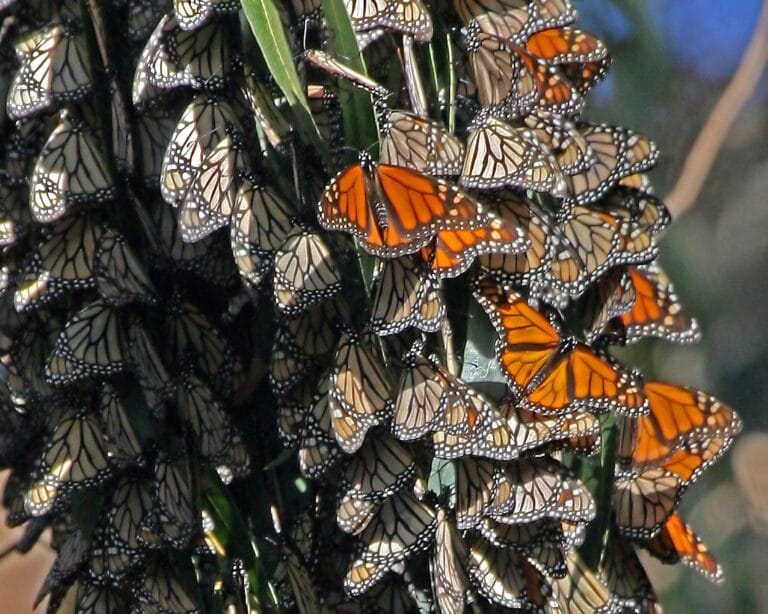
It is difficult to bear what’s happening in the world ecologically. It is brutalizing because we love this Earth. I keep hearing about the monarch butterflies. I remember I teach down in Esalen in Big Sur, have been going there for 20 some years. And in the winter, there’d just be tens of thousands of monarch butterflies flying from Mexico up the West Coast. And they’d find a particular tree. Sometimes it was a Douglas fir, sometimes it was a eucalyptus. And sometimes big branches would break off the tree because the butterflies were so thick and heavy, they would actually make tree limbs fall off. It was kind of inconceivable because the butterfly is almost weightless. And there’s these clouds of butterflies. And it takes three generations of butterflies to get from Mexico to Northern California. Three generations. That is just wild. So the grandfather, grandmother sets off in Mexico, gives birth to the mother and father and probably, I don’t know, maybe San Diego.
And then they take off and they make it to San Luis Obispo and they give birth to the children who then make it to further up the coast. Somehow they know that wisdom takes one generation to go back. They go first class or something. I don’t know what they do. And now when I go, I saw one when I was there this weekend, last weekend. I saw one. I saw one. I mean, maybe it wasn’t the right time of year. I don’t exactly know when the peak of the migration is. I’m pretty sure they were there in winter and they get colder winters. They stay. They can’t fly under 55 degrees. So I choose not to think about that because it’s too heartbreaking. But when I let it in it’s like, oh, those butterflies, these gorgeous monarch butterflies, these big amber, golden butterflies, incredibly beautiful patterns. Innocent, innocent life, innocent life that for whatever reason, no longer have the conditions to support life and migration. And so they’re now, well, close to being put in the endangered species.
Reopen the Heart to Compassion
And so the third thing that we have to do is reopen the heart to compassion. Because it’s compassion that allows us to feel the pain and the suffering of others, of life around us. And it’s compassion, this great compassion that can allow us to kind of stand in the midst of it, to bear with. It’s to feel, feel, feel the grief, feel the sadness, feel the loss.
Here’s a poem from Mary Oliver who’s usually writing about the beauty of nature, being a nature lover. She also writes about what we’re speaking to here. She says… (read poem here)
The heart doesn’t break. We think of break as like wrong, but I love the way she reframes that break open. Break open. So a heart becomes tender and tenderized. And it’s quite vulnerable to let your heart be tenderized. And if you’re not comfortable with that, which most of us haven’t been trained or taught about that, I would say particularly as men, but not just men, I think it’s cultural also, haven’t been trained how to be okay in the tenderness, the tenderizing of the heart, the vulnerability. And so what do we do? We close it down because it’s safer. It’s less overwhelming. It means I can get on with my life. But what happens when we close down the grief, when we close down the sadness, when we close down the loss, right?
If you think of this as like a, I don’t know, like a gate or something, right? We close down the pain, close down the heart. So when you go out into the meadow or your favorite stream or wildflower place or whatever it is, and you go, “I know it’s beautiful, but I just don’t feel it. I can see that it’s as beautiful as it was last year, but I kind of feel a bit numb. I feel a bit frozen.” Have you ever had that experience where you go somewhere, you know it’s beautiful, but you just can’t kind of feel it? Is there something wrong with me? Of course, emotions come and go. But when we close down to this pain, to the suffering, to the loss, to the grief, we risk numbing the heart.
This is from Joanna Macy. She says, “Of all the dangers we face from climate chaos to nuclear war, none is so great as the deadening of the heart.” Because there’s a lot of stuff happening.
There’s always a lot of stuff happening, both beautiful and tragic in this world. And it will probably always be that way. But the numbing of the heart she’s pointing to, which numbs responsiveness is a greater threat. Because if we’re numb and numbed out, and of course we know modern culture excels at numbing us out, whatever your numbing of choices. Oh, look, puppies. Oh no, squirrels. Oh no, whales jumping. Oh no, or whatever it is. I mean, just how much we’re numbed, right? TV, Netflix, or whatever it is, sports. It doesn’t matter. It’s not the thing itself. None of those things are a problem themselves, but we’re in a trance. When the Kardashians have, I don’t know, 195 million followers on whatever it is, I’m like, there’s something wrong with this planet.
So this beautiful line from poet Adrienne Rich, she writes, “There must be those among whom we can sit down and weep. There must be those among whom we can sit down with and weep and still be counted as warriors.”
And so for Joanna Macy, who’s just been this amazing, inspiring Buddhist teacher and activist, she first turned her attention to the threat of nuclear devastation in, I think in the ’60s and the ’70s, and did a lot of nuclear advocacy work and sitting outside of these nuclear power stations and protesting and letting herself feel the terror and the grief of what could happen. And what does happen at Chernobyl, she spent a lot of time working with people around Chernobyl, but she turned that grief and that fear into action, into advocacy.
And she’s a beautiful warrior who weeps and laughs daily. She’s so alive. I love her aliveness. I remember teaching with her and we were talking about equanimity. She says, “If equanimity means you’re just all sort of quiet and it’s all stuffed like, no, look, I’m not a quiet. I care. I love. I’m passionate.” And it was so beautiful. And I know she’s a deep Buddhist scholar. She doesn’t dis equanimity, but equanimity, if it’s used to suppress, which is called bypassing, not equanimity. Equanimity is standing in the fire and you still feel fully.
So reopening the heart to compassion. I was wondering about whether I’ll play this, but I think I will. So to invite this quality in, again, to make this real, right? So I’m from England. And since 1970, we’ve lost 70% of the bird population. It’s like 40 to 50 million birds. And England’s sort of renowned for its beautiful bird song. For some reason, it’s just of a particular, I don’t know, profuse songbird culture. And it’s exquisite. I go visit my parents there and it’s just exquisite. It’s still exquisite, even with that loss. And so I’m a great lover of songbirds and how they comfort us in the morning. I have Bewick’s wrens outside my house and Bushtits.
And I came across this story that brings us home in a rather painful way. So these biologists, one of the greatest places where there’s greatest ecological loss right now is in Hawaii and they’re losing a lot of their endemic species. And they were recording this call of a male Kauaʻi ʻōʻō bird. And I’m going to play a little bit of it if we can. And I’m assuming we will be able to hear this on Zoom too.
So this male, it’s males mostly who sing those the longest, loudest songs. He’s singing as birds do, they’re calling in a mate. He’s sitting on a branch. There’s a video of this bird singing. Singing, calling for a mate. And they do a call and response song, which we’re not hearing as we’re just hearing the male. And there’s no female response because this is the last male bird and there’s no female birds left. So it’s calling for a mate that will never come.
Put a hand on your heart. Take a few deep breaths.
It feels imperative that however we’re meeting the ecological reality that we’re living in, that we do so with others. In community, in connection, in solidarity, however that is.
Again, these words from Adrienne Rich. There must be those among whom we can sit down and weep and still be counted as warriors.
So I play that song because it’s heart opening. It’s heartbreaking, but it’s heart opening. Just as Joanna Macy was saying. As she said, “I tell you this to break your heart by which I mean only that it break open and never close again to the rest of the world.” So I think often we’re inundated with information and often overwhelming information, whether it’s political, social, economic, environmental. And it feels really important to bring that ecological information crisis overwhelm down to the particular. This bird, this tree, this endangered flower, this newt that’s endangered, this whatever it is.
I’ll just pause there for a second.
So whatever’s here for you, and this gets stirred when I play this beautiful song. Just noticing how you are meeting this moment. How you’re meeting this tenderness or this emotion or whatever’s here. Because this is the practice of courage, of being willing to be present, to be open, to feel, to receive, to welcome what’s here. As Rumi said, welcome and entertain the visitors, even if they’re a crowd of sorrows who violently sweep your house empty of its furniture. Still treat each guest honorably. They may be clearing you out for some new delight.
Reconnect with Others
So the fourth R is to reconnect with others. It’s hard to hold this alone. We’re not ultimately alone, but we can feel alone and we can certainly feel lonely. And it feels imperative that however we’re meeting the ecological reality that we’re living in, that we do so with others. In community, in connection, in solidarity, however that is. bell hooks writes, “Rarely, if ever, are any of us healed in isolation. Healing is an act of communion.” And so because the scale of what we’re facing is immense, it feels essential that we find like-minded people just like we come here.
I know many of you are listening to this at home alone and that’s you’re having your own experience, but when we come here in person, right? If you were listening to this talk and this bird song alone, that would have a particular feeling. When we have a collective shared experience, there’s often a sense that we’re holding it together, but we’re holding each other together. It’s why we come together. It’s why we need to come together more and more.
I was just having a long conversation while I was trying to work on my Dharma talk, but I was having a much more interesting conversation with the person who sat at my table when I was working outside about this need for connection and to come together. And we were just sort of sharing that the next wave is going to be us learning how to come together again post-pandemic, which we’ve lost the art of.
I just saw an alarming statistic. It was a bar graph of typical days or hours we spend at home, 2017, 2018, 2019. It was like here. And then 2021, 22, it was like here. It’s like the amount of time we spend alone at home. Not healthy. Not healthy. We need to also be in community.
And again, going back to Joanna Macy, one of the things I love when I went over to her house one day for tea and a question I ask her often, but I particularly asked her this question, how does she not give up in despair? Because she’s so at the cutting edge of the ecological crisis. And she says, “Because I’m in community and I act with others.” And it says, “It doesn’t matter if you do something and fail. What matters is you come together and act. That’s what matters.”
There’s a book by Paul Hawken. He wrote some years ago called Blessed Unrest. Paul’s a deep thinker environmentalist. And he has a sort of insatiable, curious mind. He’s in touch with all these really good environmental organizations and he began to wonder like, “Well, how many? How many organizations are involved in taking care of people, community and planet?” So he got a team together and started tracking, doing research on how many organizations around the world are engaged in doing good work for people and species and the planet. And he got up to 1.7 million organizations, 1.7 million organizations. He said, when he gave his book talk and he had the credits rolling of these organizations. And I think he said it was something like it would take like 35 days for you to sit there and watch. I mean, just one line of an organization, just one line, like Sierra Club, Greenpeace, Oxfam. 35 days. 1.7 million organizations around the world. And probably if you averaged, maybe there’s, I don’t know, an average of 10 people in those organizations. There’s 170 million people doing beautiful work to care for people, the species and the planet. So again, it’s important that we don’t feel alone because we’re not alone. And we share common humanity and we share common pain about what’s happening.
Reimagine Possibility
The fifth R is to reimagine possibility. Reimagine possibility in the human potential to act and the human potential to care. And that can feel a little hard to do right now. We can feel a little demoralized at humanity’s potential because we’re seeing a lot of human potential that’s not very caring for people or the planet.
I remember teaching an Earth Day here at Spirit Rock when we used to have a little trailer over there before this beautiful hall was built. And we invited Paul Hawken to Earth Day. And he was writing a book on carbon, which he ended up not finishing, but he’s now rewriting it. Reimagining carbon. And he said just sort of randomly that if we actually gathered all the carbon molecules in the world, I don’t understand this. It’s a bit like telling me I’m 99% space. He said, if you gather all the molecules, put them into a dense ball, they would fit in San Geronimo Valley. Doesn’t quite make sense to me. But anyhow, he was just saying the demonization of carbon, which is the most creative molecule in the universe or atom or element, whatever it is. And it’s all workable. It’s workable.
Anyhow, so he said, it’s a line that always stays with me. He said the problem with the way humans are dealing with the ecological crisis is it’s a failure of imagination. Failure of our imagination to imagine the unimaginable. Because right now the unimaginable is imagining us finding a way out of the polycrisis and the multiplicity of ecological crises. It seems almost insurmountable. The plastic in the ocean, rising temperatures, species loss.
But if you look at human history, there’s been amazing, amazing breakthroughs and developments all throughout history of people coming together. Probably one of the biggest ones was the coming together of banning CFCs. Anybody remember CFCs, chlorofluorocarbons that created a hole in the ozone over Australia, 50,000 miles wide or something or circumference? Big. And almost 200 countries came together and banned CFCs. And now that ozone is shrinking, I’m not sure it’s done. It’s still there, but it’s radically shrinking. So we can do this. Well, I should say we can come together.
So similarly, this amazing flourishing of environmental protection in the late ’60s, early ’70s, Clean Air Act, Clear Water Act, Endangered Species Act. And there’s long lists of species who have been taken off the list because their numbers are thriving. Gray wolf, bald eagle, humpback whale, California condor, peregrine falcon, blue whale, Florida manatee, gray whale, grizzly bear, red wolf, stellar sea lion, on, on and on. That’s just the megafauna. American crocodile. That we can come together in wise and compassionate ways and make a difference.
I was just looking up somewhat tangentially eating habits. There’s a shocking amount to say there’s 13 million vegans in America. 13 million. It’s kind of astounding given how much red meat we eat. 10% of the American population is now vegetarian. Up from 5% in 2018. That’s a massive change, 15, 20 million people becoming vegetarian, not eating animals, which are one of the biggest contributions to climate change. Change happens slowly, maybe too slow, but slowly.
Reinspire Ourselves to Act
And then the next R, the sixth is reinspiring ourselves to act, to engage. And Spirit Rock’s in the process of developing an EcoDharma program. And there’ll be many programs coming down the pipeline that you’ll be hearing about in the future where we’re going to be exploring some of these themes, including lecture series and things.
And I don’t have too much time to go into this, but ways that we engage, ways that we get involved, ways that we act both personally, politically, collectively. And of course, this is one of the hardest things. Well, what do I do? The problem seems so massive. Someone told me 20 years ago, I should recycle. That will save the environmental crisis. I should buy an electric car like a Tesla. Oops. Well, yes. So we can make change personally, but of course we know that really where change happens is politically, economically, on a macro scale. And so thinking about ways that you can engage, connecting with organizations that are engaging. There’s so many great organizations.
And so many good environmental organizations. I don’t need to list them. You probably know them, you’re probably involved with them. But to think about when the heart is touched and to think about what is it that touches your heart and what is it your heart wants to respond to in response to that pain and grief.
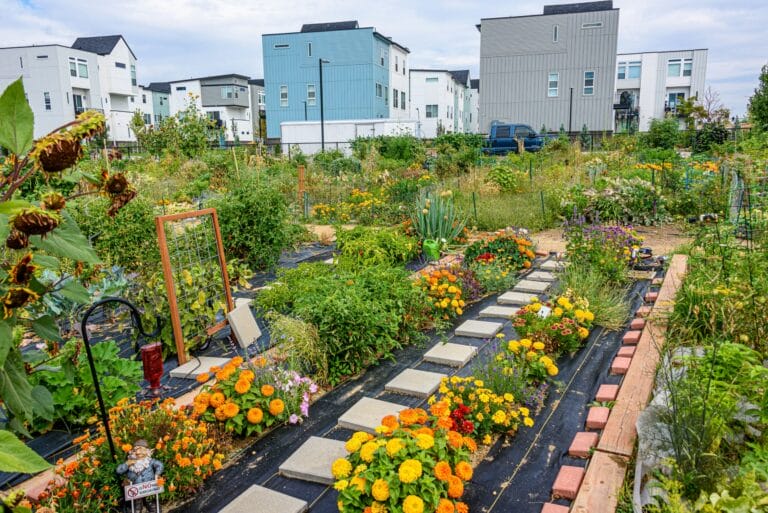
There was a student. I was in a retreat and teaching retreat in Colorado and she’s a lover of birds. And she lived in downtown Denver and she ripped out her garden and put in all these local plants and pollinating plants. And she created a great little oasis in the sprawl of Denver to support pollinators and insects and flies and birds. That was one thing she could do. I’ve got a garden. Well, let’s make it one little stepping stone through this vast concrete jungle.
Joanna Macy has beautiful teachings. Her work, the school, The Work That Reconnects. She has this teaching on three ways we can engage in this area which she calls The Great Turning: holding actions, engaging alternative structures, and transformation of consciousness. What we’re doing here is transforming consciousness. My work, my nature work, which is helping us to see ourselves as Earth, I feel like is a slow but important piece of environmental activism.
Resilience
And then lastly, the seventh R is for resilience. This is a lifelong process we’re involved in. And so we have to stay sustainable. And in that we start, we go back to the very beginning from where we started, which is to reacquaint ourselves with the Earth, to go outside, to breathe the morning air, to listen to songbirds, to drink in beauty, to swim in the ocean, just to saturate yourselves, to rest, to laugh, to come together, community.
How does the Earth wish to move through me in response to where we are ecologically?
Like what supports you? What allows you to stay resilient? For me, I have to go outside every day. That’s my mental health medicine. Doctors are now prescribing nature to teens and adults with anxiety and depression because it makes us. We feel better. We feel nourished. We feel grounded.
So anyhow, there’s some reflections for you about this theme. I’ll just leave you with this question, which is a question that I live with and a question I offer my teachers and students that I work with. And it’s a question that’s nice to take when you go out on your next nature walk, which will hopefully be tomorrow or you’re on your night walk looking at the stars and the moon on the land here. And the question is, how does the Earth wish to move through me? How does the Earth wish to move through me in response to where we are ecologically? How does the Earth wish to move through? And it might be just like, Oh, I want you to water your garden. I want you to plant wildflower seeds. I want you to plant trees. I want you to use some of your resources and give to people who are protecting the rainforest and the indigenous people protecting the rainforest.
I want you to fly less. I want you to write more to your senator. I want you to go down to their offices in Sacramento and raise hell about why they’re not standing up to what’s going on right now in Washington or whatever it is. But listen, how does the heart wish to move through you? Oh, I want to take my kids outside. I want them to fall in love and become Earth lovers and advocates. Oh, I want to take myself out and nourish myself and then let the answer come from there.
There’s no right answer, but we are the Earth and the Earth is moving through us. And how can we channel the Earth moving through this in a way that’s protecting our mother and our home?
And so with that, I will just come into a moment of silence. Let’s just let the words settle for a second.
Sensing the Earth within you. Sensing your heart and any love you may feel for the Earth. Or a particular tree, bird, animal, flower, insect, dragonfly, Western bluebird. And then hold that question, how is the Earth moving through me? How does the Earth wish to move through me? If I’m part of the Earth’s immune system, how do I take care? How do I take care of myself, the Earth?
[bell]
Thank you for your patience and presence. I talked a lot longer than I meant to, and I hope these words were helpful and go well and take care of each other and enjoy this beautiful spring. Thank you. Take care. Thank you people online. Thank you, Spirit Rock. And I’ll stay around if you have questions.
This is a lightly edited transcription of a talk Mark gave at Spirit Rock Meditation Center: Meeting the Reality of the Climate / Ecological Crisis with Awareness, Wisdom and Compassion.