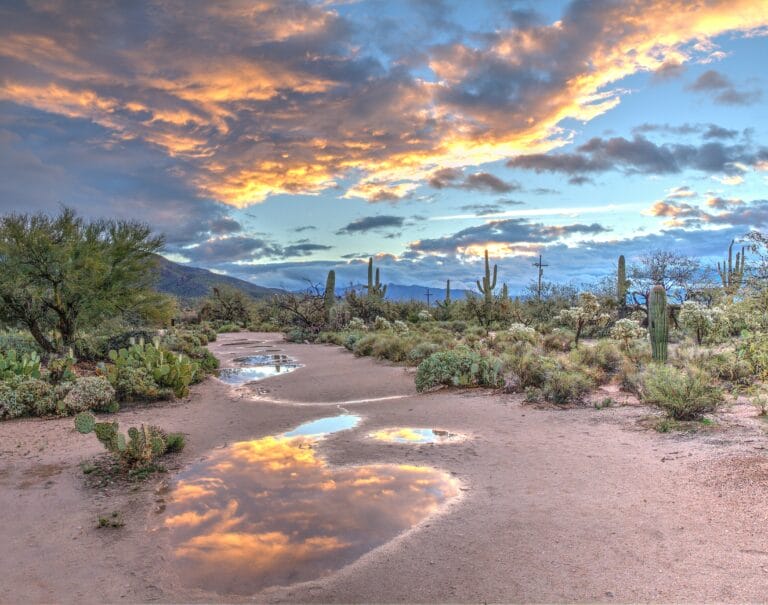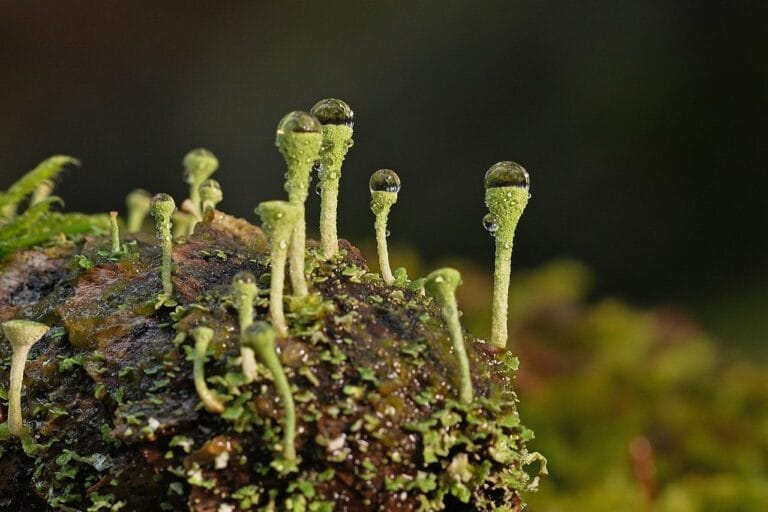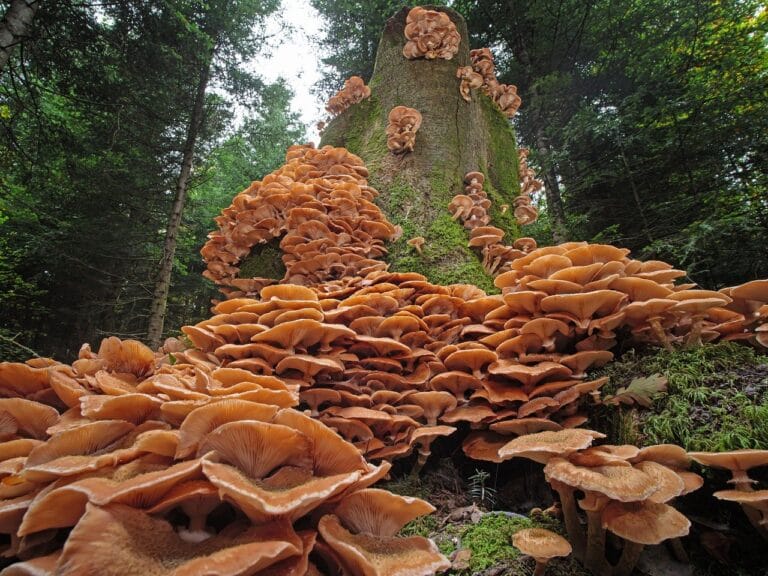

We are accustomed to thinking of time as the ticking of the clock, a repeating round of numbers and measurements. But time is also made up of relationships, experienced as cycles and rhythms woven from a matrix of ecological processes interacting in continuous collaboration. Modern technology has subdued our instinct to create time together with the Earth, yet our bodies are built to be in conversation with our ecosystem, responding to the world around us via internal clocks. When we attune to the pulses within and around us, time can become an experience of kinship.
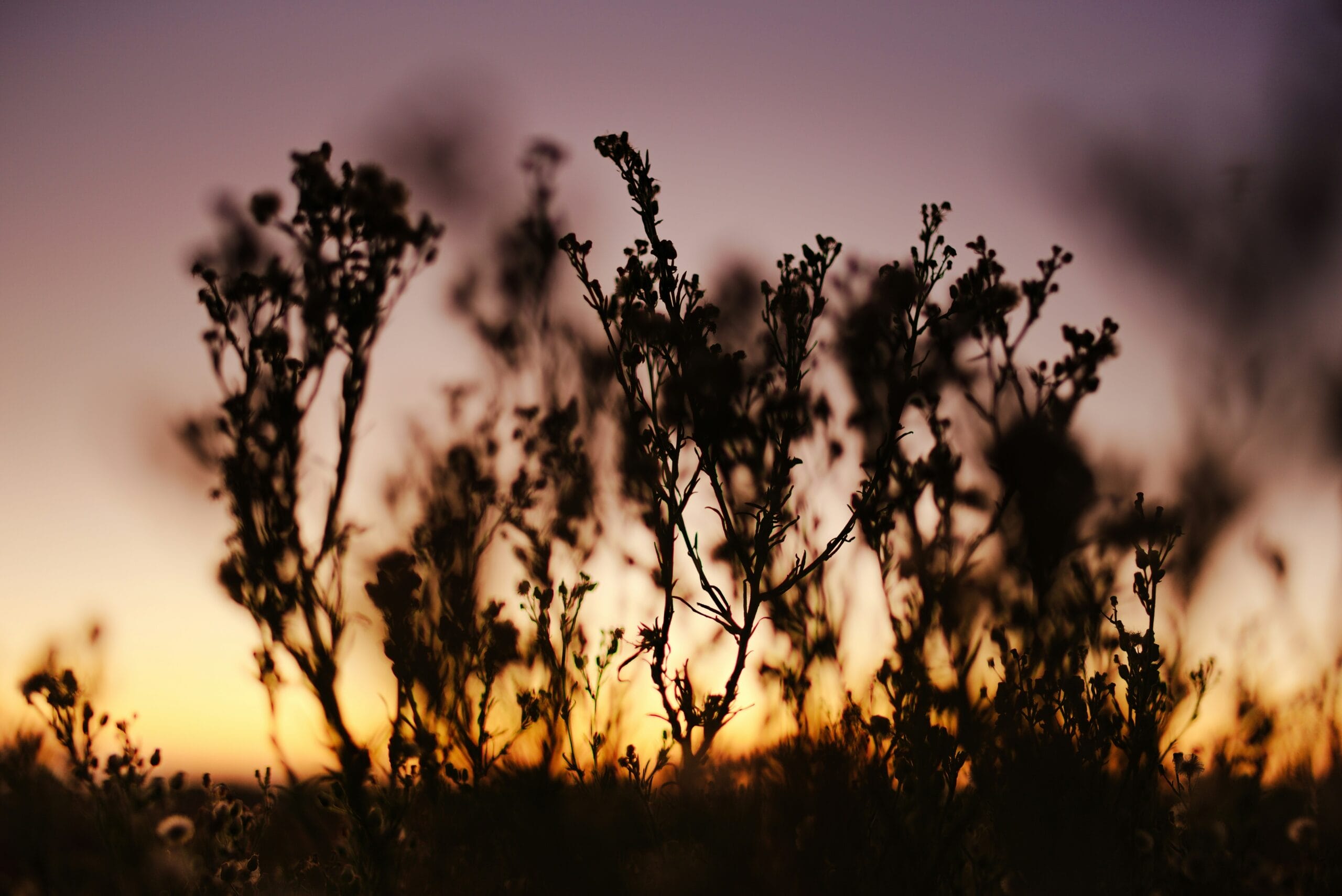
Find a place to sit in an outdoor space – somewhere where you can encounter the elements and the more-than-human community. Start by awakening your senses to the sounds, smells, and movements around you. Notice the quality of light, the temperature, the presence or absence of moisture, the opening or closing of flowers, creaturely arrivals and departures – the cues in the landscape that shape a sense of time. As you continue to sit, notice how these cues shift, evolve, or disappear. Consider how they might change over the course of a season or a year. When will certain plants emerge? Will the fragrance of this place change? The sunlight? The colors?
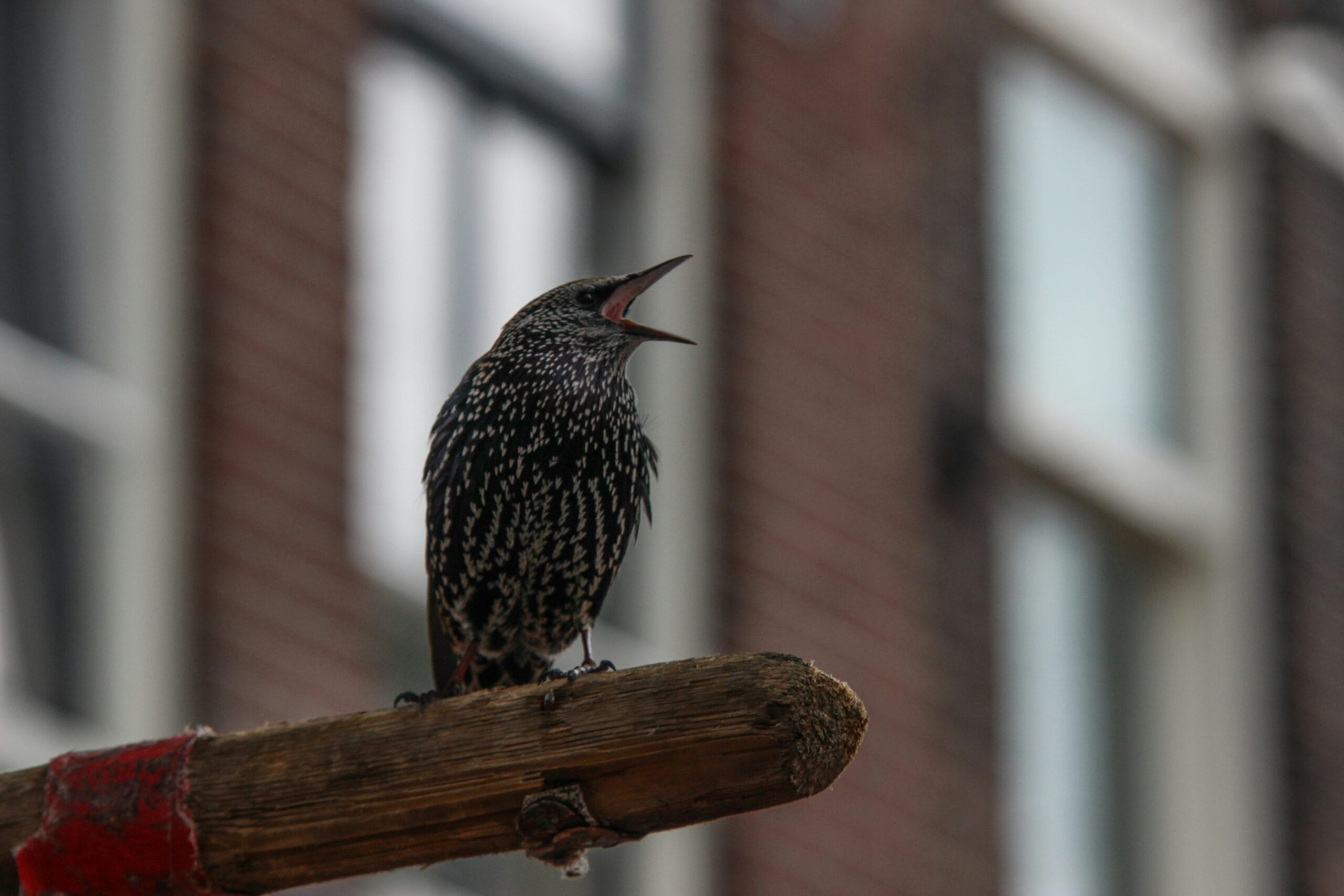
Focus on a being who shares your habitat – perhaps a plant in your garden, the river that runs through your town, a songbird that frequents your street. Consider how this being might sense time as they interact with the cues you notice. Do they engage with the presence of other creatures, respond to shifts in the light, attune to the changing state of a plant as it blossoms and fruits? Repeat with other creatures in you ecological community.
Spend a day without looking at a single clock. Without minutes and hours, what do you listen and look for to generate a sense of time? Perhaps the fluctuations in light, the waking vocalizations of your family, the smell of dew on a plant, or the presence of another animal’s song?
How are the rhythms of your day composed in relationship with other living things? How do you feel your sense of time fitting into cycles that exist in the larger ecology of time?
This is an Emergence Magazine practice. It is reprinted here with permission.